Chile’s Shift to the Right: José Antonio Kast’s Historic Presidential Win
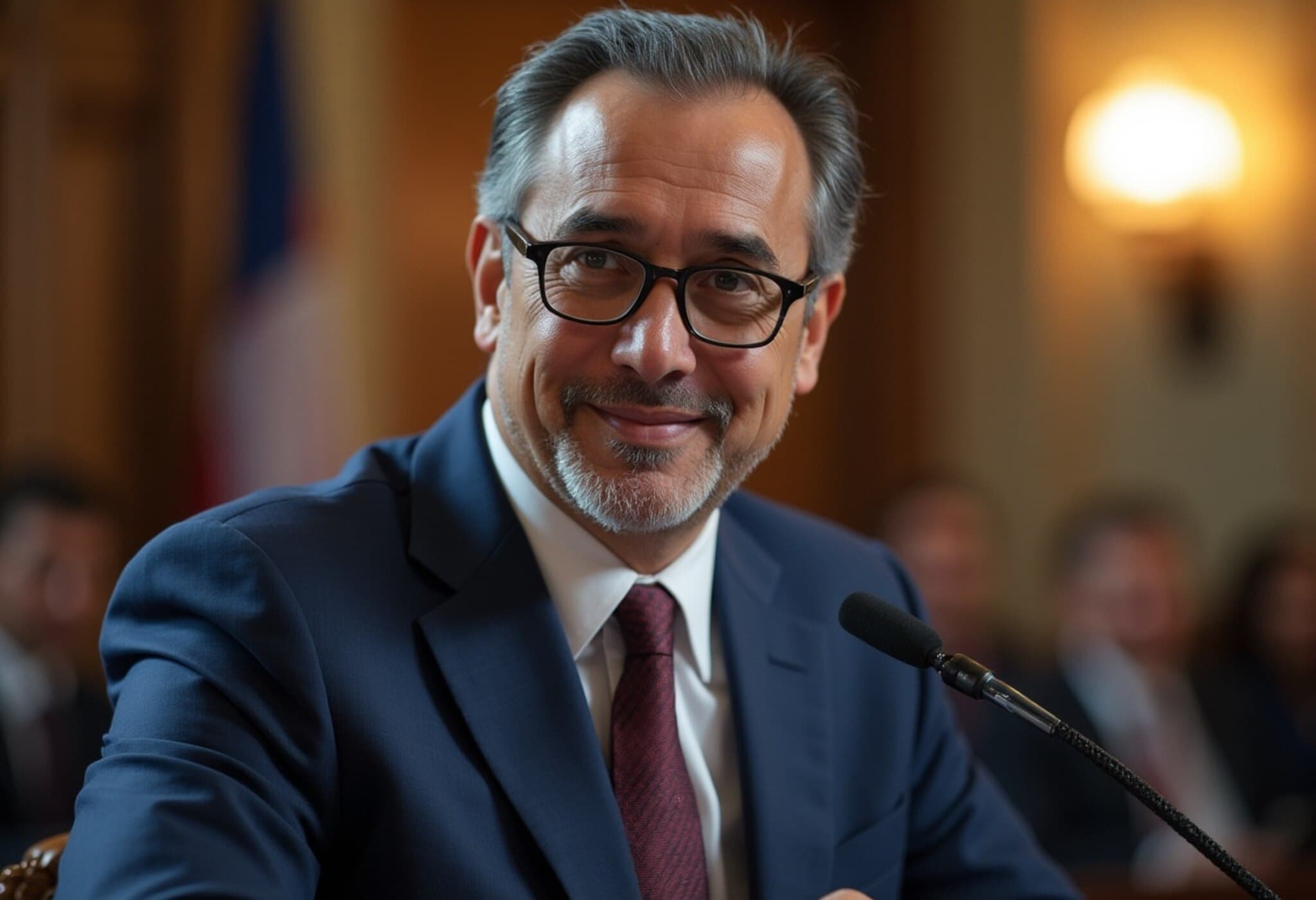
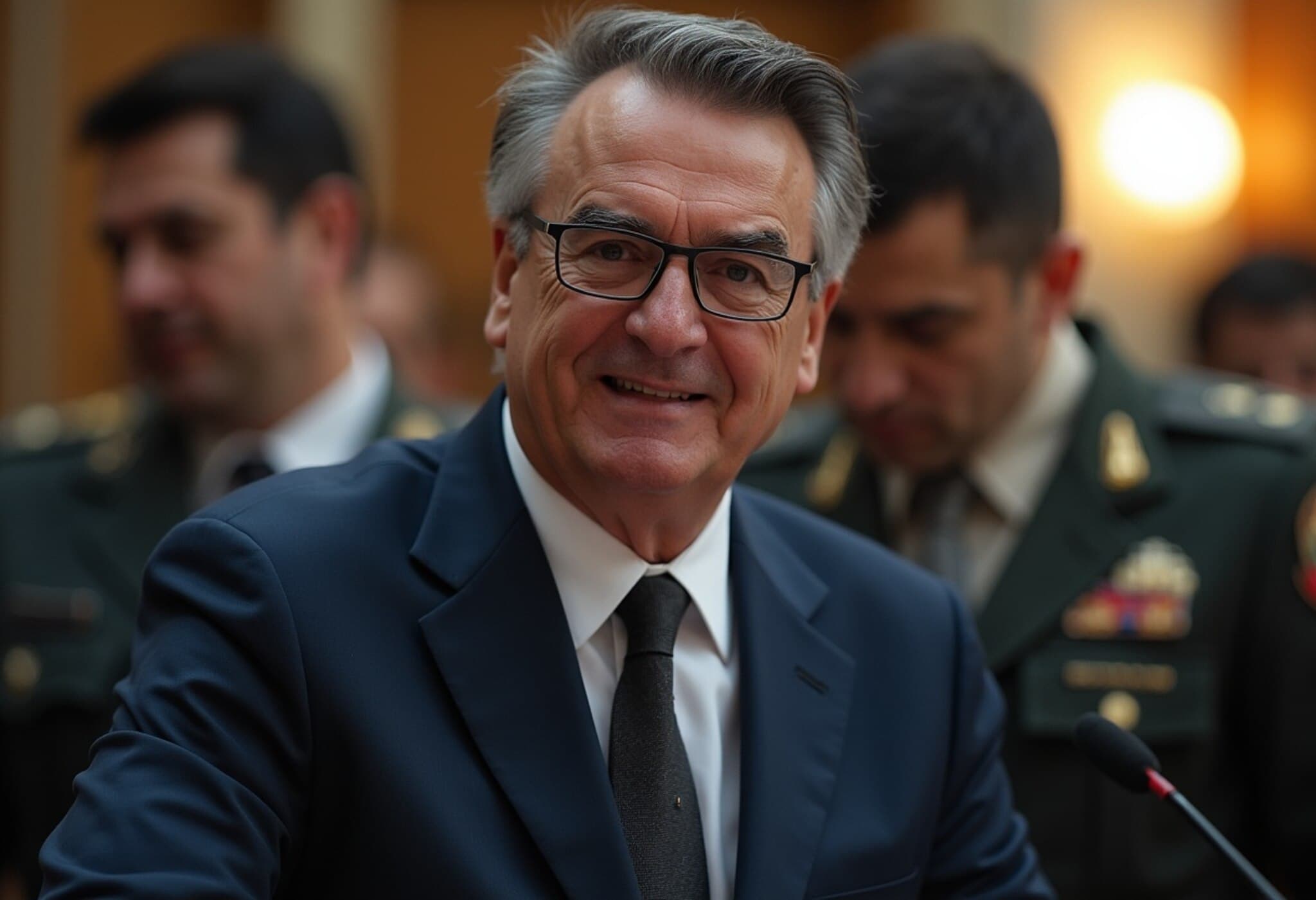
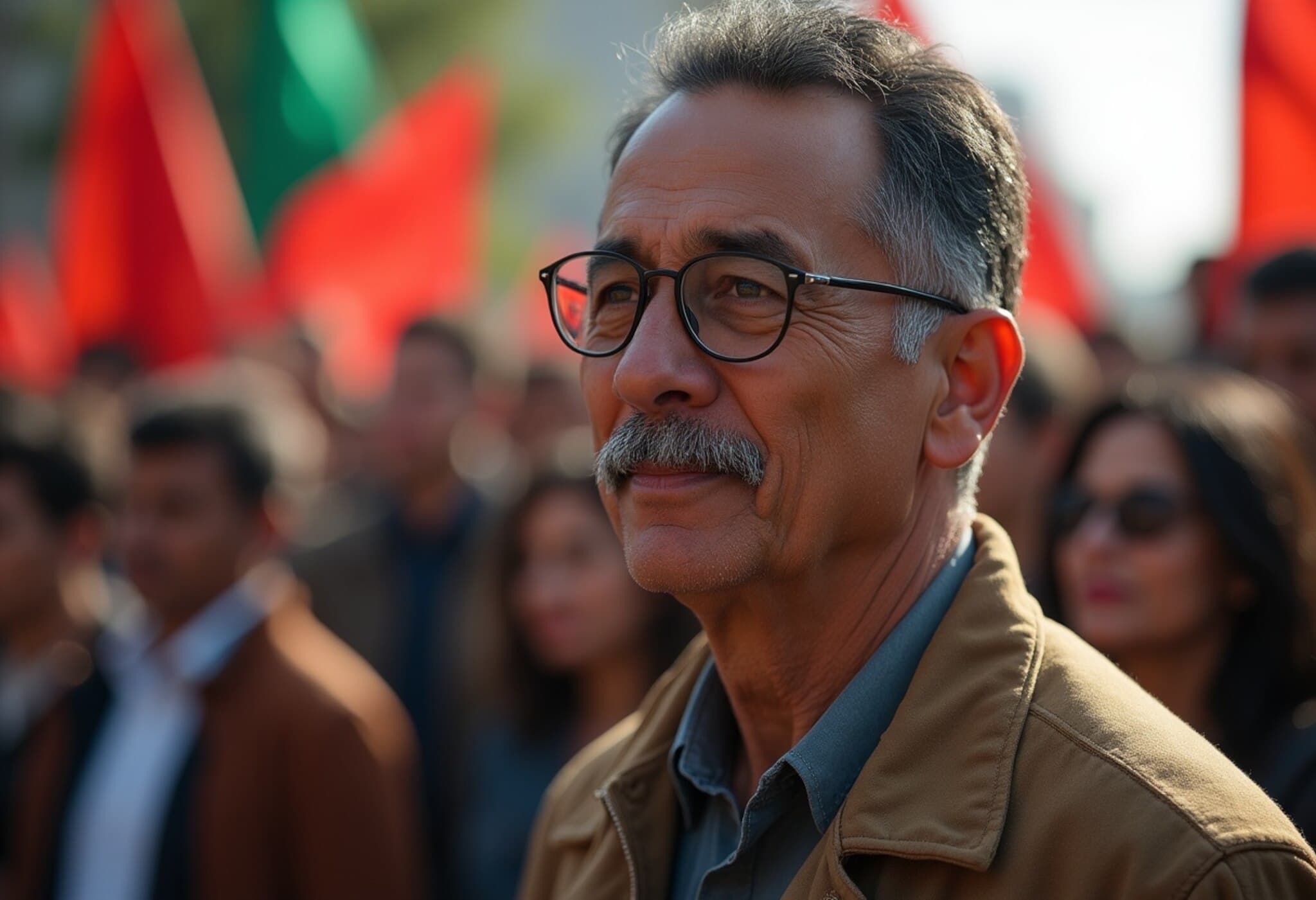
On December 14, 2025, José Antonio Kast secured the presidency of Chile with a decisive 58% of the vote, marking his third attempt at the nation’s highest office. This victory not only underscores Kast’s growing appeal among Chileans but also signals a broader shift aligning Chile with a sweeping global trend toward conservative, right-wing governance.
A Conservative Wave Riding Across Continents
José Antonio Kast, a father of nine and steadfast advocate for conservative Catholic values paired with economic neoliberalism, embraced his triumph with a resolute message: "Chile cannot get used to fear, and Chile cannot get used to fire. Chile will be free from crime again." Kast’s rhetoric and policy agenda resonate strongly with a global right-wing movement that champions strict law enforcement, tighter immigration controls, and nationalist priorities.
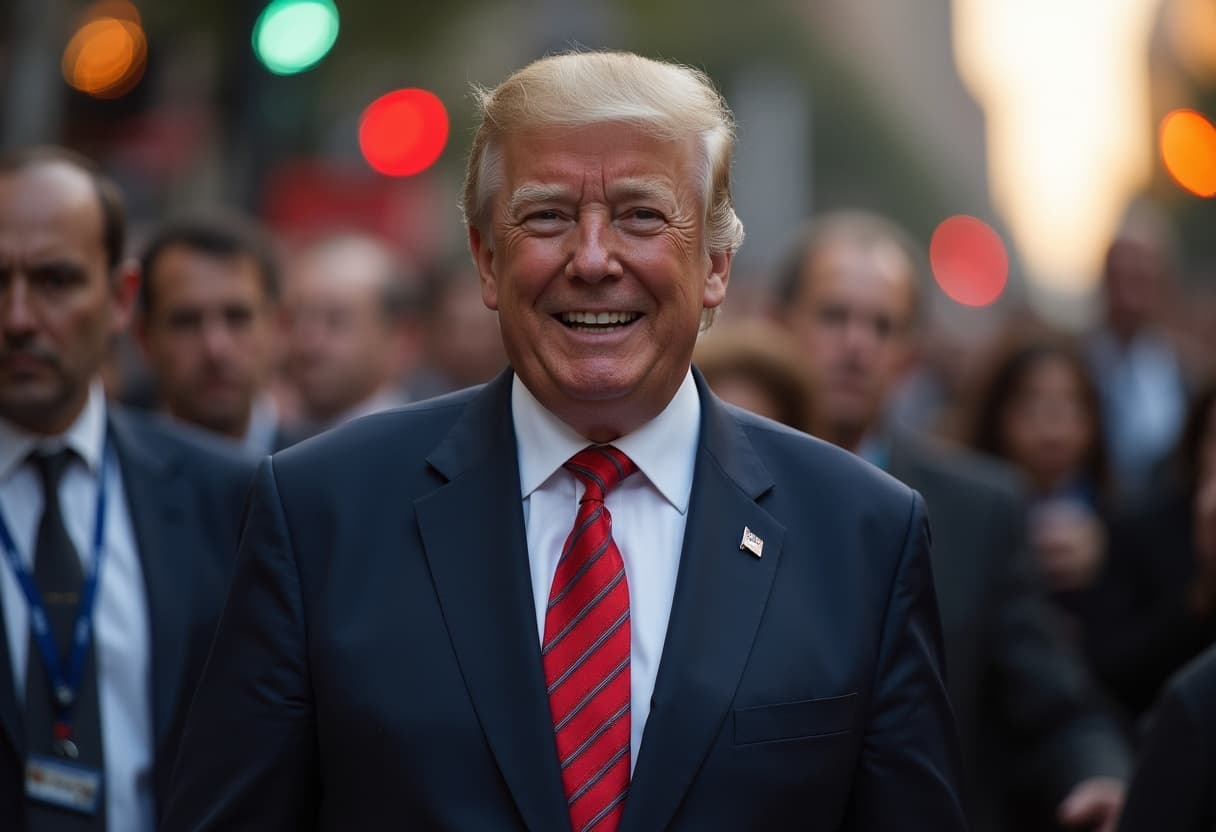
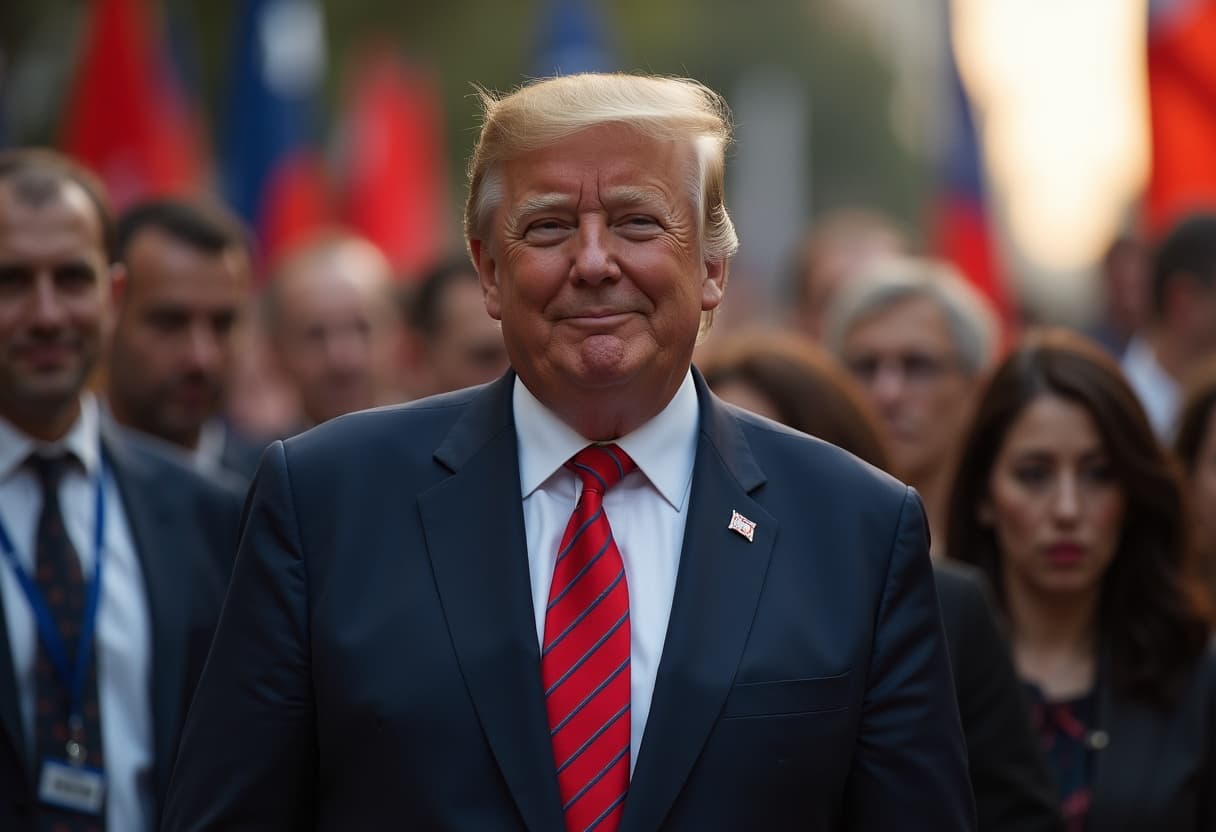
Kast’s victory reflects a narrative familiar from other countries, harking back to his own words from early 2017 when he proclaimed, “Our ideas already won — they won in the United States, they won in Italy and they won in Argentina.” This alludes to comparable political successes like Donald Trump’s America First presidency, Italy’s right-wing coalitions, and Argentina’s conservative turns, illustrating how Chile’s political landscape is intertwining with a broader international ideological pattern.
“Chileans First”: Nationalism at the Forefront
The president-elect’s pledge to prioritize Chileans over foreigners with the slogan “Chileans first” mirrors the populist nationalism popularized by Trump’s “America First.” One of his key campaign promises is the construction of a physical barrier along Chile's northern border, aimed at stemming the influx of Venezuelan migrants and curbing what many voters perceive as increasing lawlessness in border regions.
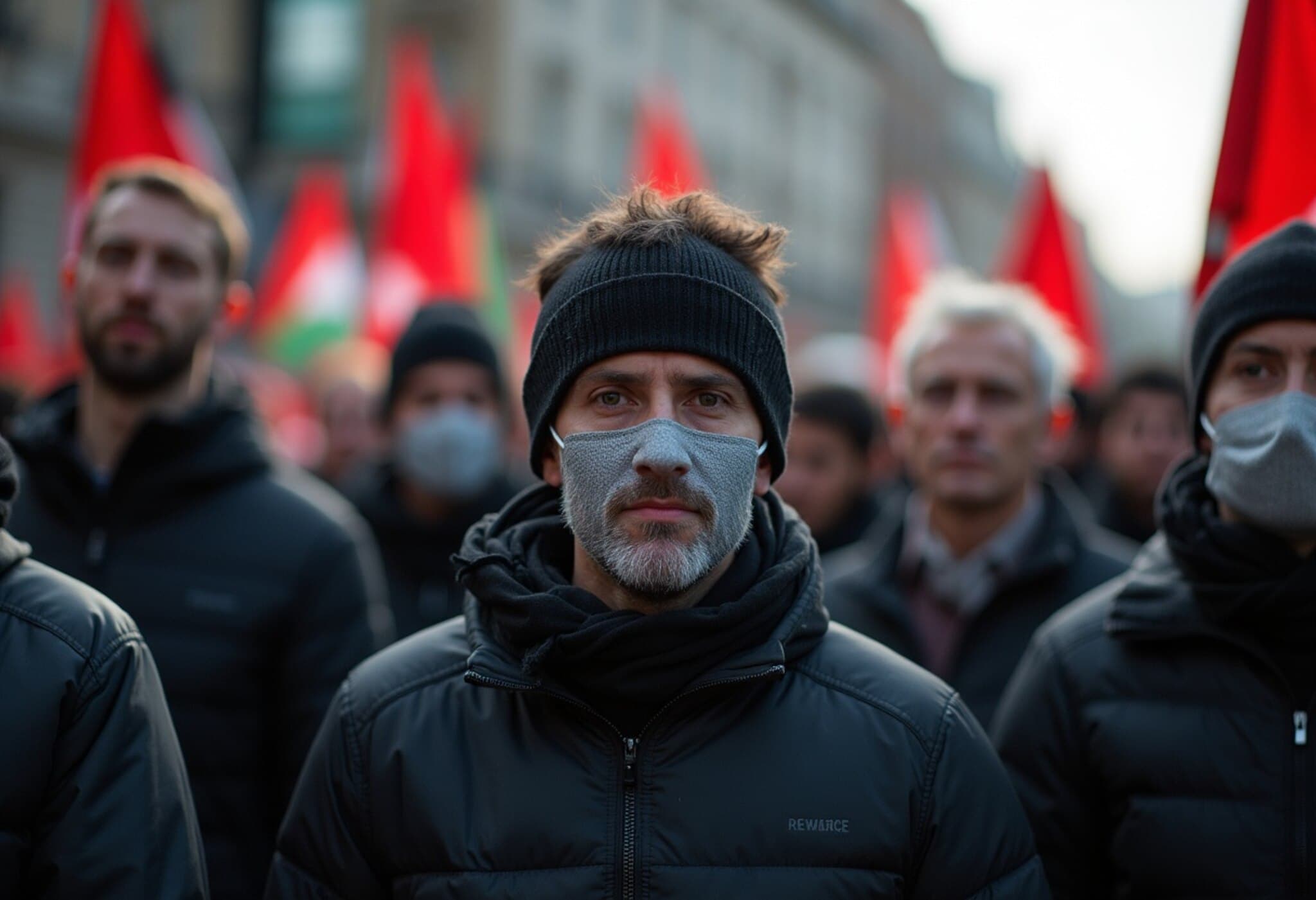
This emphasis on border security and law and order comes amid rising concerns among Chileans about violence and immigration, issues that deeply influenced voter sentiment. Kast’s hardline stance appeals to those seeking stability and security after years of social and political unrest.
Broader Implications for Chile and the Region
Chile’s political transformation reverberates across Latin America, a region historically marked by ideological swings but lately trending toward polarizing political identities. Kast’s win underscores the rising influence of conservative and nationalist ideas, which could reshape policy debates from immigration to economic reform.
However, this shift also raises critical questions about the balance between security and human rights, economic opportunity and protectionism, and national identity and regional cooperation. The rhetoric around protecting national sovereignty needs to be carefully weighed against Chile's historical commitments to democracy and social inclusion.
Expert Insight: The American Connection and Legal Context
From a U.S. policy perspective, Kast’s victory may affect bilateral relations, especially regarding immigration enforcement and trade within the Americas. Chile has traditionally been a stable economic partner, but this tilt could complicate U.S.-Chile cooperation on migration policies, given differing approaches to humanitarian concerns and security.
Moreover, Kast’s neoliberal economic stance aligns with free-market principles favored in U.S. policy circles, potentially strengthening economic ties despite political challenges.
What Lies Ahead?
As Chile embarks on this new chapter under José Antonio Kast, observers must watch closely how his administration balances its tough law-and-order promises with the nation’s democratic values and human rights obligations. Additionally, the local social fabric and regional dynamics could be tested as the government pursues immigration barriers and nationalist priorities.
Key Takeaways:
- José Antonio Kast won the Chilean presidency with 58% of votes, signalling a sharp rightward shift.
- Kast’s platform emphasizes strict security, immigration controls, and a nationalist “Chileans first” policy.
- His victory aligns Chile with a global right-wing wave, reminiscent of leaders like Donald Trump.
- The administration’s policies may impact Chile’s regional relations, particularly with migrants from Venezuela and bilateral ties with the U.S.
- Chile faces the challenge of balancing national security with democratic norms and social inclusivity.