Near Midair Collision Between U.S. Military Tanker and JetBlue Flight Raises Safety Concerns
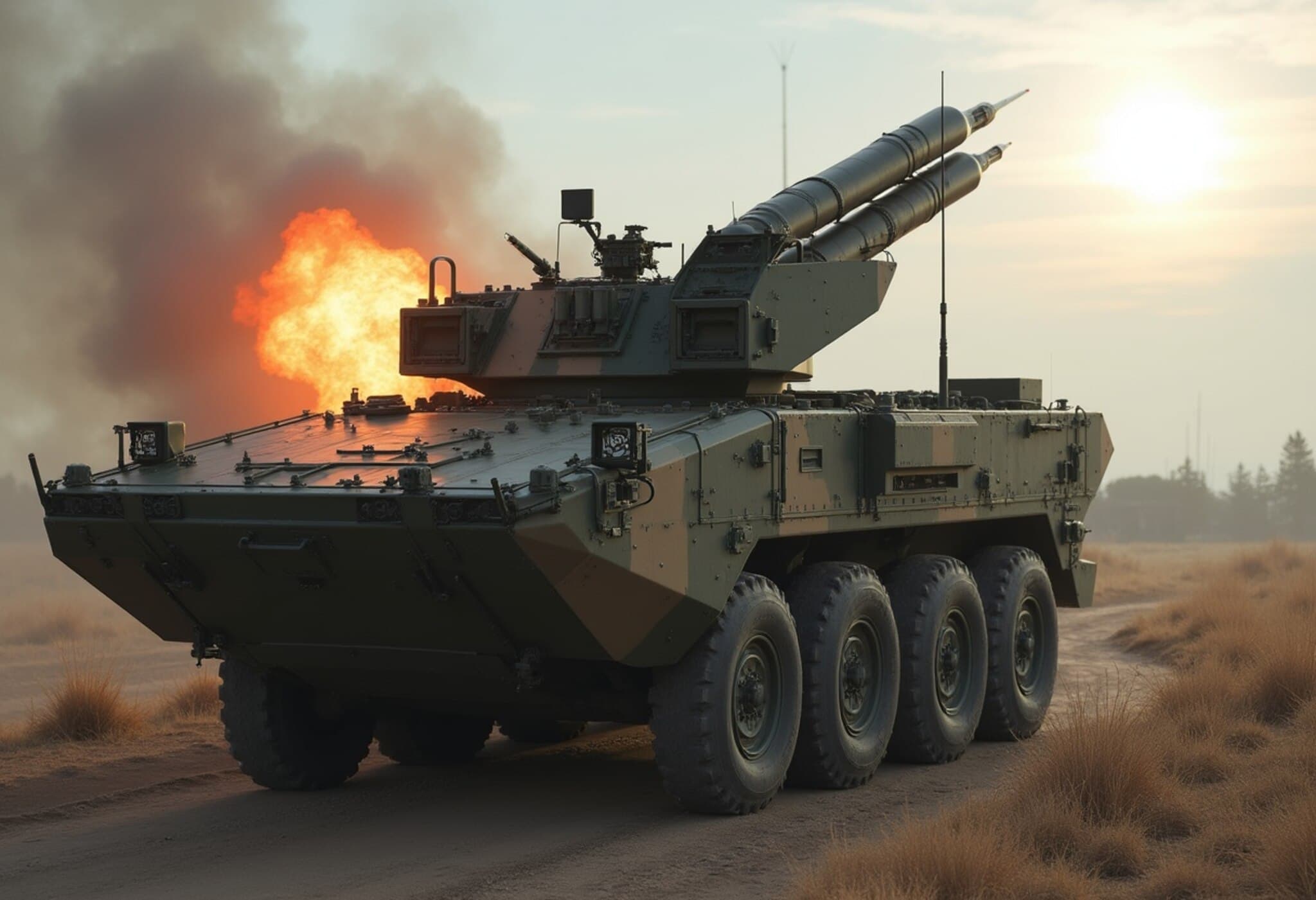
In a startling incident over the Caribbean last month, a U.S. Air Force refueling tanker came dangerously close to colliding with a JetBlue commercial flight. The near miss occurred because the military aircraft had its location transponder turned off, rendering it invisible to both air traffic controllers and the commercial plane’s radar.
Flight Deck Tensions: Close Call Over Curaçao
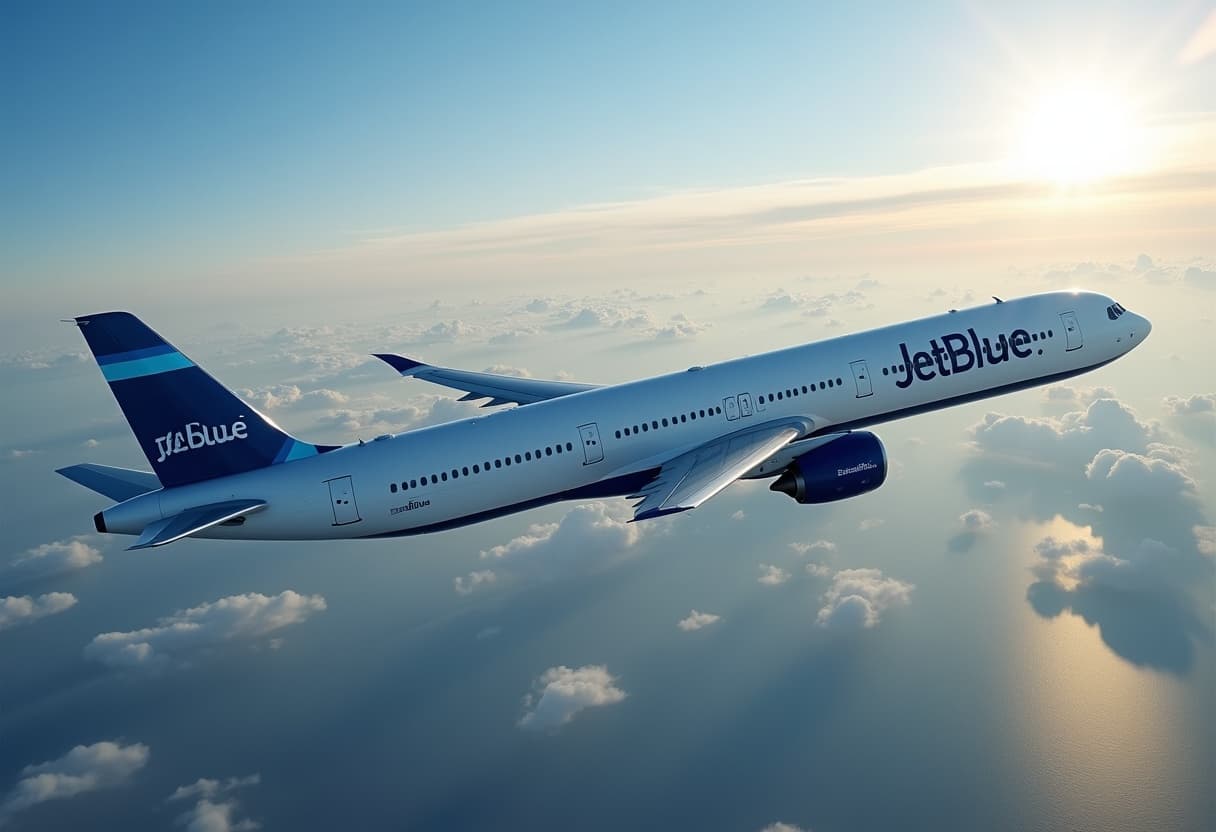
JetBlue Flight 1112, heading from Curaçao to New York, was climbing to cruising altitude when the crew encountered the untracked tanker just minutes after takeoff. According to radio communications obtained from air traffic control, the JetBlue pilot reported, "They don't have their transponder turned on, it’s outrageous. We almost had a midair collision up here."
Flight tracking data indicate the plane abruptly halted its ascent to avoid the unknown aircraft, which reportedly came within just two to three miles—less than 20 seconds of flying time—of the commercial jet. This close proximity so soon after departure sparked urgent radio exchanges between the pilot and controllers.
Air Traffic Control Frustrations and Unidentified Aircraft Patterns
Controllers monitoring Curaçao’s busy airspace were equally alarmed. One remarked to the JetBlue pilot that the appearance of unidentified aircraft—especially those flying without transmitters—is increasingly frequent and "outrageous". The tanker remained unseen on radar screens, highlighting risks posed by military flights operating without standard safety equipment in civilian air corridors.
Further, on the following day, air traffic control warnings were communicated to other commercial airlines like American Airlines and Delta, advising heightened vigilance for similar untracked aircraft in the region. These messages were captured on publicly accessible radio feeds and shared among air traffic enthusiasts and social media users, underscoring ongoing concerns about transparency and safety.
Expert Insight: The Complexity of Military-Civilian Airspace Coordination
From a policy standpoint, this incident underscores the tension between national security operations and commercial aviation safety. Military aircraft often operate under different protocols, sometimes disabling transponders for operational security. However, as airspace becomes more congested, especially near sensitive regions like the Caribbean—which hosts significant U.S. military presence and is a corridor for international flights—such practices may increase collision risks.
Transportation safety experts argue for enhanced coordination and advanced surveillance technologies to better integrate military flights without compromising operational secrecy. Additionally, the incident raises questions about regulatory oversight and the mechanisms for civilian pilots to alert authorities quickly when encountering unidentified aircraft.
Broader Implications and Regional Context
The Caribbean airspace is a critical hub bridging North and South America, with high commercial flight traffic alongside routine military monitoring, particularly near Venezuela and U.S. territories like Puerto Rico and the U.S. Virgin Islands. This intersection makes robust communication and adherence to tracking protocols vital.
Moreover, in an era of heightened geopolitical tensions, the balance between military readiness and civil aviation safety will demand renewed attention from policy makers, airlines, and defense agencies alike.
What’s Next?
- Improved Airspace Monitoring: Enhanced radar and sensor integration could prevent similar incidents.
- Stricter Protocols: Clearer rules or exceptions on transponder use for military flights in civilian corridors.
- Increased Transparency: Channels for real-time communication between military and civil aviation authorities.
Editor’s Note
This near-collision is more than an aviation scare—it’s a wake-up call highlighting the complex challenge of safely sharing crowded skies between military and commercial operators. As air traffic grows and geopolitical dynamics evolve, how can authorities strike the right balance between operational security and the fundamental right to safety in the air? This incident invites aviation stakeholders and the public to engage in a critical conversation that will shape the future of air travel safety.