UK and Turkey Take Major Step Towards Eurofighter Typhoon Acquisition
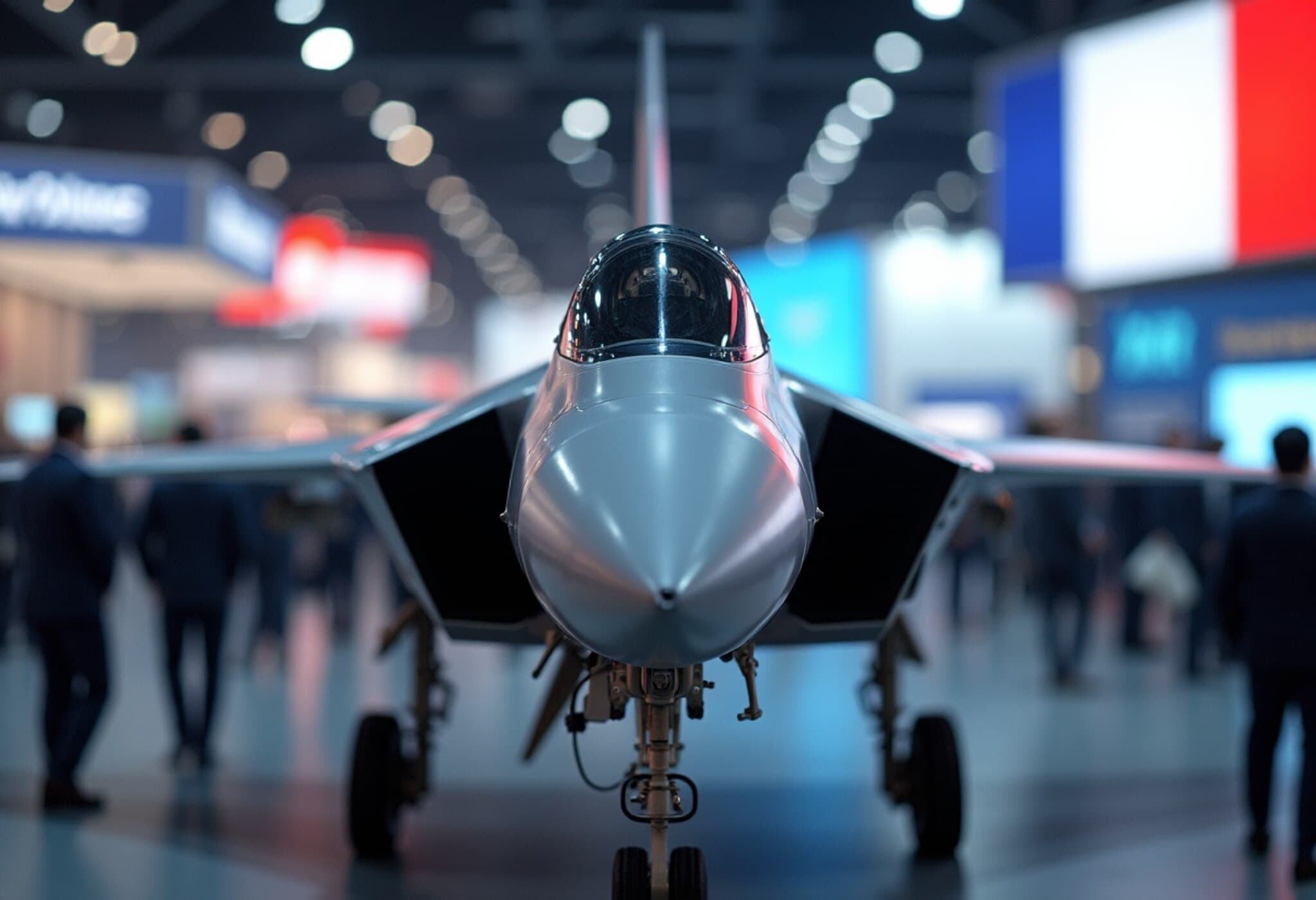
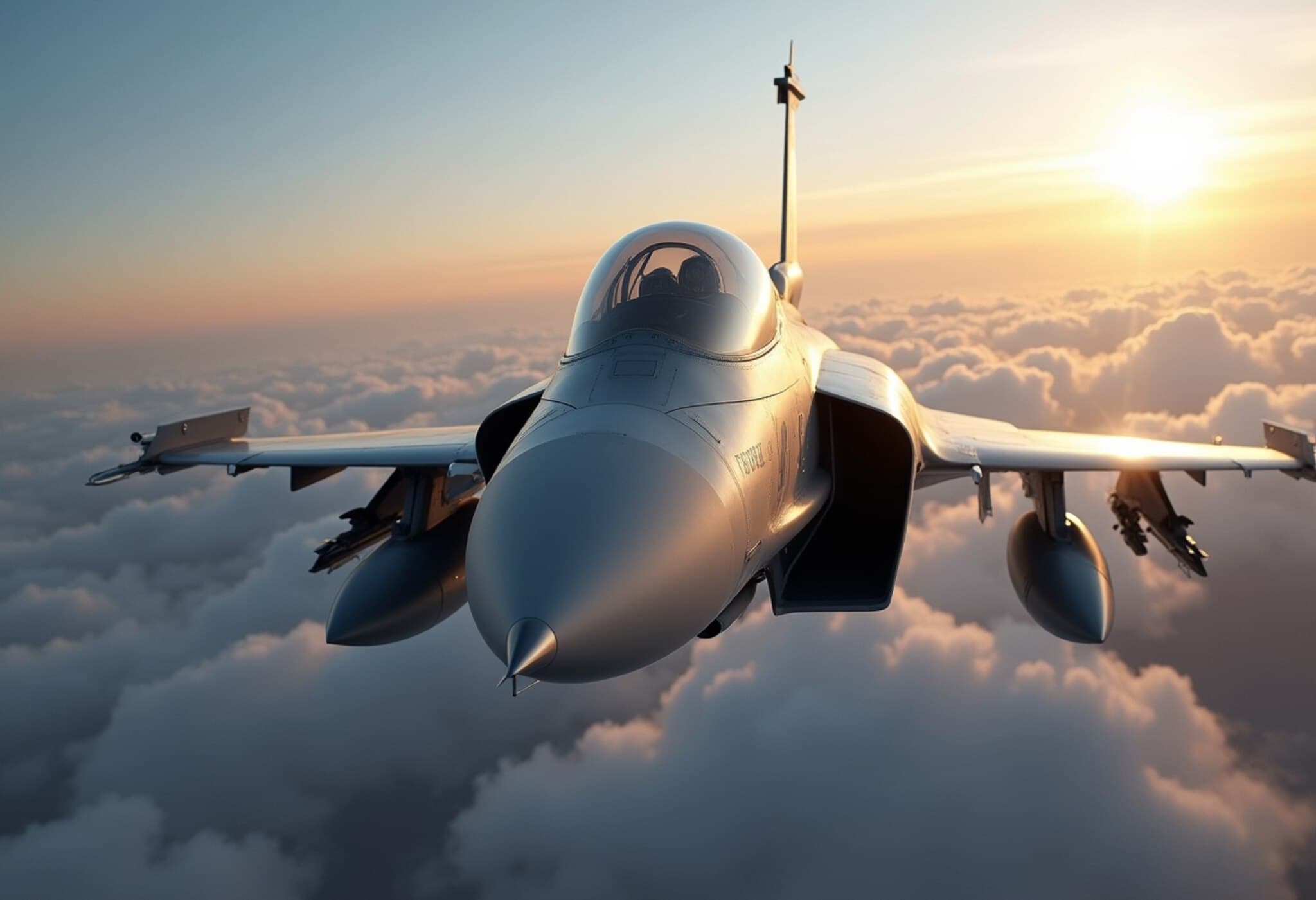
In a significant move for European defense cooperation and Turkey’s air force modernization, the United Kingdom and Turkey have signed a preliminary agreement aimed at bringing the Turkish Air Force into the exclusive Eurofighter Typhoon fleet.
Memorandum of Understanding Signed in Istanbul
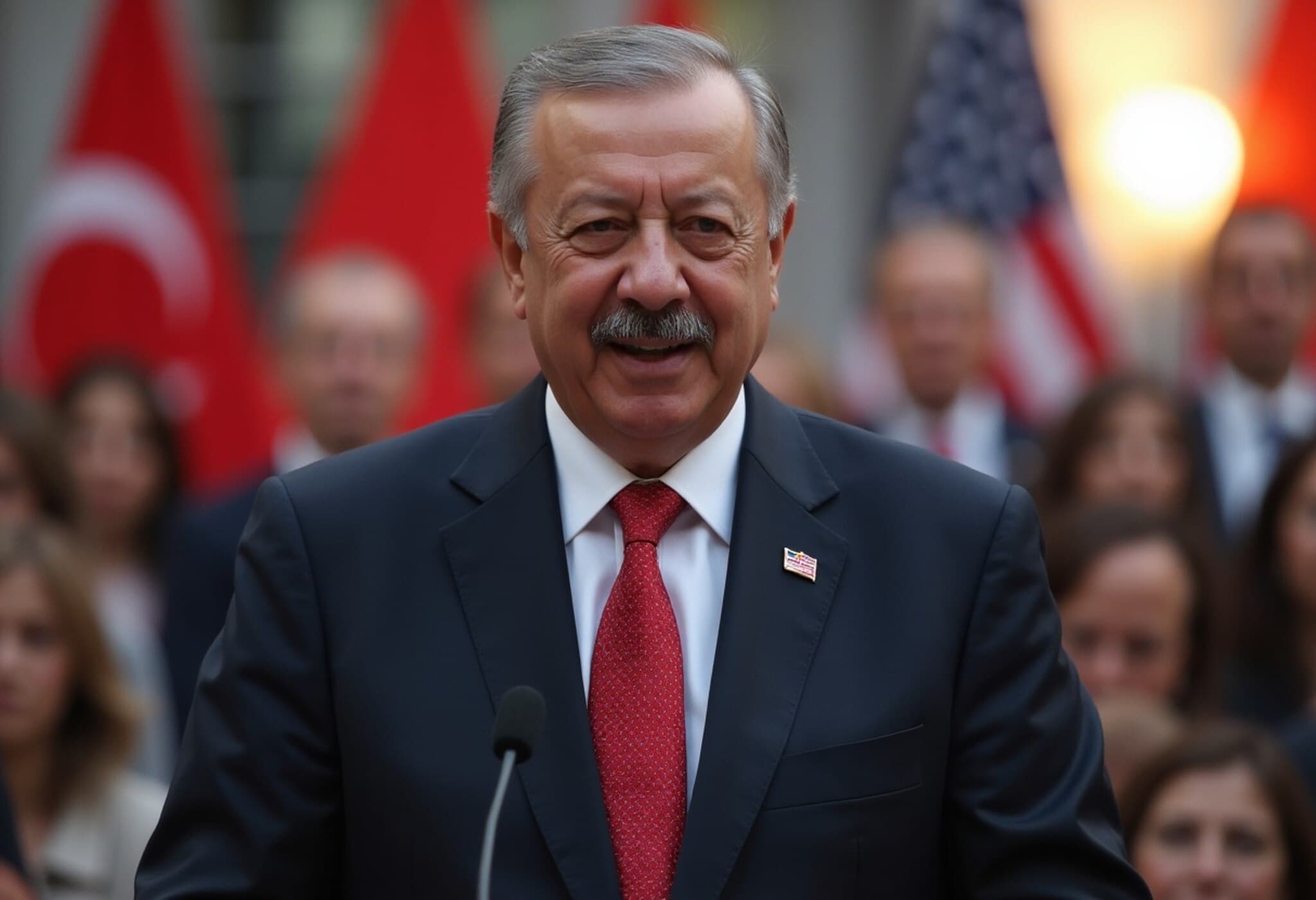
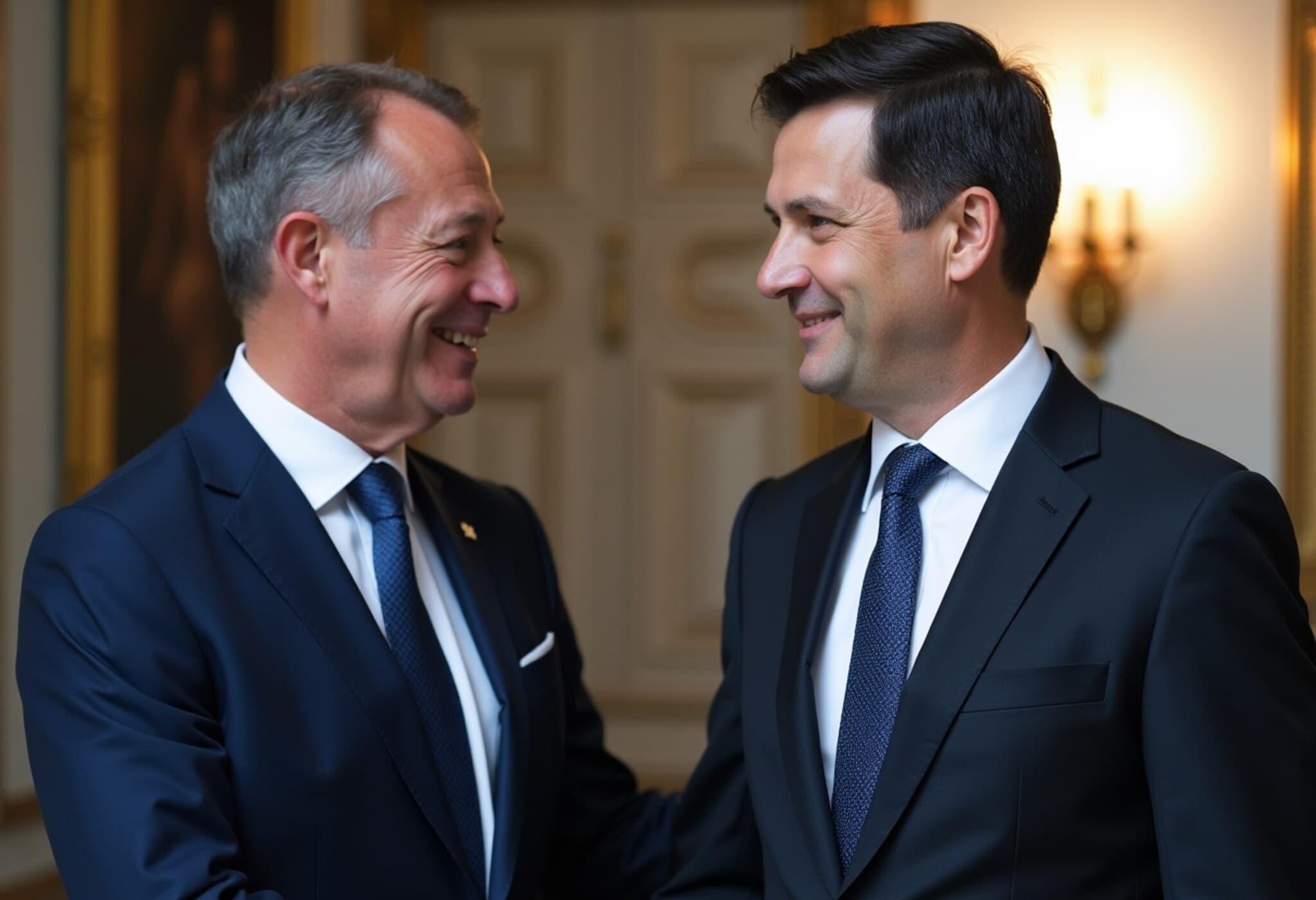
On July 23, 2025, Turkish Defence Minister Yasar Guler and UK Defence Secretary John Healey inked a Memorandum of Understanding (MoU) at a defense industry exhibition in Istanbul, signaling a mutual commitment to advance Turkey’s purchase of Eurofighter Typhoon jets. This marks a crucial milestone in Ankara’s decades-long pursuit to modernize its aerial combat capabilities with state-of-the-art fighter jets.
Background: Turkey’s Ambitions and Collaborative Challenges
Turkey, a NATO member with a strategic position bridging Europe and the Middle East, has long sought to acquire up to 40 Eurofighter Typhoons, a sophisticated multirole fighter developed by a tri-national consortium including the UK’s BAE Systems, Germany’s Airbus, and Italy’s Leonardo.
While the UK has spearheaded negotiations on behalf of the consortium, Germany initially opposed the deal due to geopolitical and defense export concerns. However, recent diplomatic efforts have led to Germany easing restrictions, clearing the way for the agreement’s progression.
What the Deal Entails and Its Strategic Implications
The Turkish Defence Ministry stated that this MoU is “one step closer to a full agreement on the Typhoon,” underscoring a shared ambition between Ankara and London to finalize procurement arrangements swiftly. BAE Systems welcomed the development, expressing readiness to continue cooperation with Turkish authorities to hammer out pricing and technical specifications.
- Technical Negotiations: Turkey has reportedly received an initial bid and is preparing a counter-proposal, reflecting a negotiation phase focused on maximizing value and customizing the jets to Turkish operational needs.
- Geopolitical Context: This deal carries broader implications, as Turkey seeks to diversify its defense portfolio amid strained relations with Western partners.
Turkey’s Broader Fighter Jet Strategy
Besides the Eurofighter deal, Turkey is aiming to rejoin the US-led F-35 program, from which it was excluded in 2019 after purchasing the Russian S-400 missile system. The U.S. cited security risks to the F-35 stealth technology due to the missile system’s capabilities.
At the same time, Turkey is ambitiously developing its indigenous fifth-generation fighter, known as KAAN, targeting operational status by 2028. These parallel efforts illustrate Turkey’s strategic urgency to maintain advanced air combat capabilities while balancing geopolitical considerations.
Expert Analysis: What This Means for NATO and Regional Security
The attempted integration of Turkey into the Eurofighter program could strengthen NATO’s southern flank airpower, given Turkey’s key geographic role. However, unresolved questions remain about interoperability and political trust within the Alliance, especially after Turkey’s independent defense acquisitions strained relations.
Furthermore, advancing the Eurofighter deal complements Turkey’s modernization drive but could complicate relations with the U.S. should Ankara’s F-35 reintegration stall. Defense analysts suggest this could signal Ankara’s cautious pivot towards greater defense autonomy and European partnerships.
Key Takeaways
- Turkey is moving closer to acquiring up to 40 Eurofighter Typhoon jets, enhancing its air force capabilities.
- The UK has played a pivotal role in brokering the deal despite initial German hesitations.
- The deal expands Turkey’s options beyond the F-35 program, which remains uncertain.
- Turkey’s indigenous KAAN jet development underlines its long-term aim for self-reliance in defense technology.
- Geopolitical and alliance dynamics continue to influence defense procurement choices.
Editor’s Note
This emerging alliance around the Eurofighter Typhoon highlights Turkey’s nuanced balancing act between Western defense alliances and its national sovereignty in military affairs. As negotiations progress, it will be critical to watch how this deal reshapes NATO airpower dynamics and Turkey’s strategic autonomy. Readers should consider how defense procurement reflects broader geopolitical shifts, especially in the context of growing multipolar competition in global security.