Yulia Navalnaya Calls for Release of Political Prisoners Before Putin–Trump Meeting
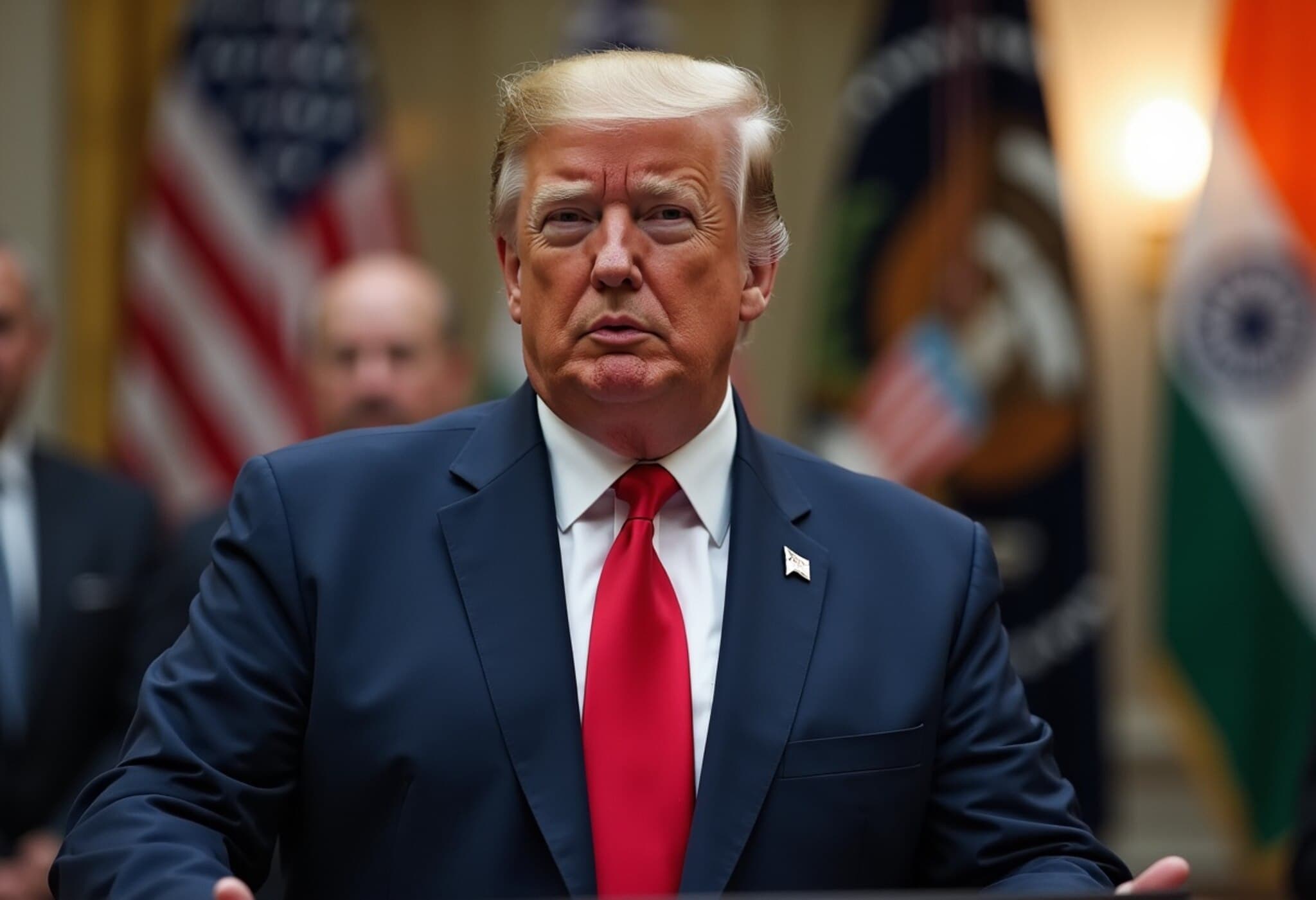
In a poignant and urgent appeal, Yulia Navalnaya, widow of the late Russian opposition leader Alexei Navalny, has called on Presidents Vladimir Putin and Donald Trump to negotiate the release of political prisoners held in Russia and Ukraine. This appeal comes just hours before the much-anticipated Alaska summit between the two leaders aimed at addressing the ongoing Ukraine conflict.
Humanizing the Toll of Political Imprisonment
As an exiled activist who has witnessed firsthand the dire consequences of political repression, Yulia Navalnaya’s message resonates far beyond geopolitical posturing. In a video statement shared on social media, she implored, “You must take an irreversible step, something that cannot be undone.” Her words laid bare the plight of activists, journalists, and ordinary civilians detained for daring to oppose Moscow’s military actions and express anti-war sentiments.
The Context Behind the Appeal
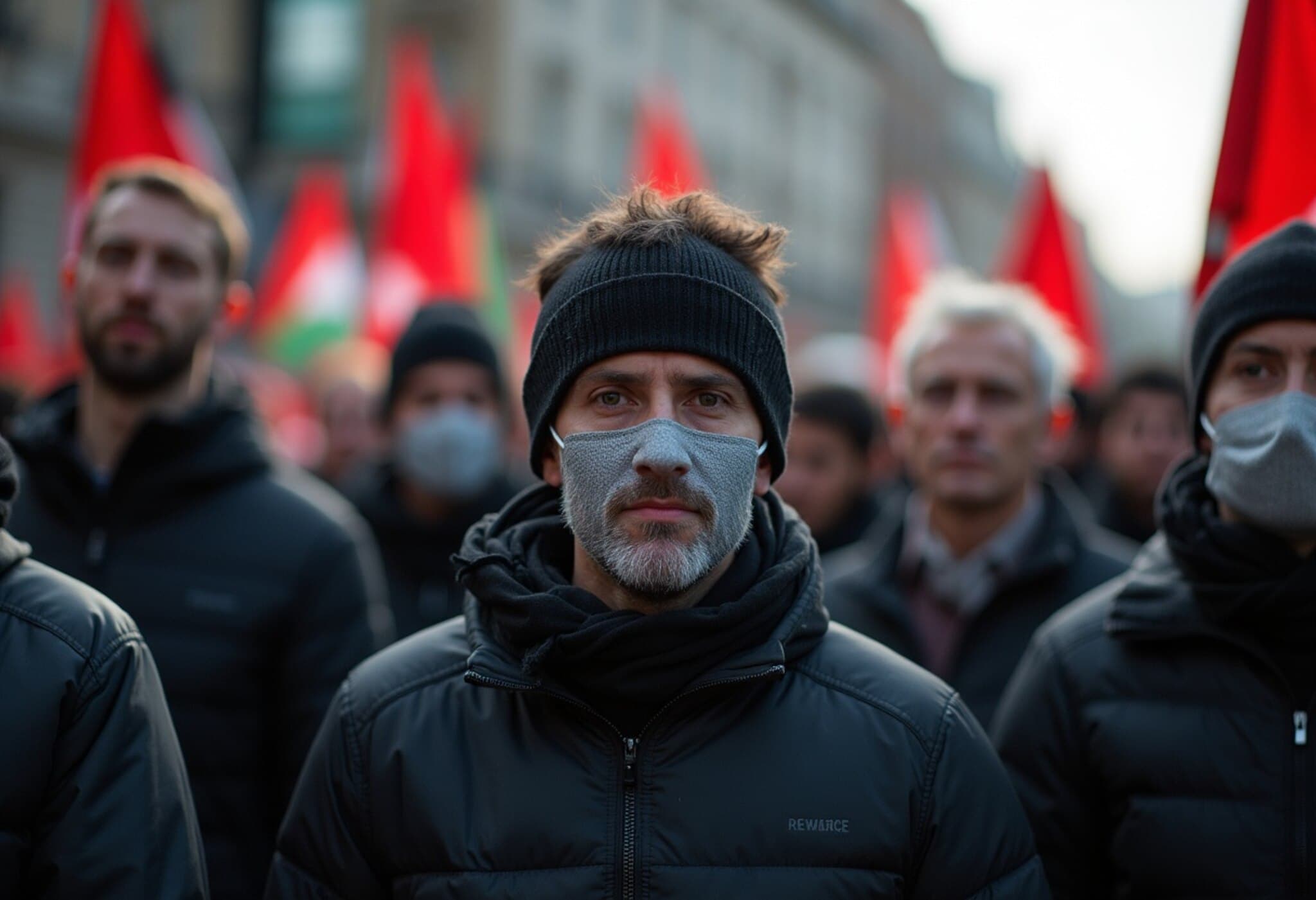
Since the onset of Russia’s invasion of Ukraine in February 2022, the Kremlin has intensified its crackdown on dissent. Moscow has enacted sweeping military censorship and imprisoned hundreds under charges related to their opposition against the war. Kyiv reports that thousands of Ukrainians remain detained within Russia and territories occupied by Russian forces, reflecting a broader humanitarian crisis often overshadowed by battlefield developments.
Precedents in Prisoner Exchanges
The call for freeing political detainees is not without diplomatic precedent. In the past, both Putin and former U.S. Presidents have struck deals resulting in prisoner exchanges. Notably, a large-scale swap orchestrated by President Joe Biden last year saw the release of American journalists and several Russian opposition figures in exchange for Russian operatives detained in Europe. Such exchanges highlight the potential for leveraging prisoner releases as humanitarian gestures amid fraught international relations.
Expert Insight: The Diplomatic and Legal Dimensions
From a legal and policy perspective, Navalnaya’s plea underscores the complex intersection of human rights and international diplomacy. Political prisoners—often held under vague or politically motivated charges—represent both a moral and legal challenge for governments seeking international legitimacy. In the U.S., advocacy for human rights abroad remains an integral part of diplomatic strategy, though often complicated by realpolitik considerations.
Experts suggest that while prisoner releases can serve as symbolic breakthroughs fostering dialogue, they also carry risks if perceived as concessions that embolden authoritarian tactics. The US and its allies must balance immediate humanitarian concerns with long-term commitments to rule of law and democratic principles.
Moving Forward: Critical Questions for the Alaska Summit
- Will the Putin-Trump dialogue yield concrete commitments on the release of political prisoners?
- How can the international community ensure accountability amid continued repression in Russia?
- What role can human rights advocacy play in shaping future peace negotiations?
Ultimately, Navalnaya’s appeal re-centers the human cost of geopolitical strife, reminding world leaders that decisions made in conference rooms ripple deeply in the lives of those caught in the crossfire.
Editor’s Note
Yulia Navalnaya’s heartfelt call highlights an urgent but often sidelined facet of the Russia-Ukraine conflict: the fate of political prisoners. As Putin and Trump engage in a high-stakes summit, the question remains whether diplomatic pragmatism will prioritize humanitarian concerns. This appeal presses us to reflect on the moral responsibilities of global leaders amid warfare and repression, and how meaningful change requires both bold decisions and sustained international vigilance.