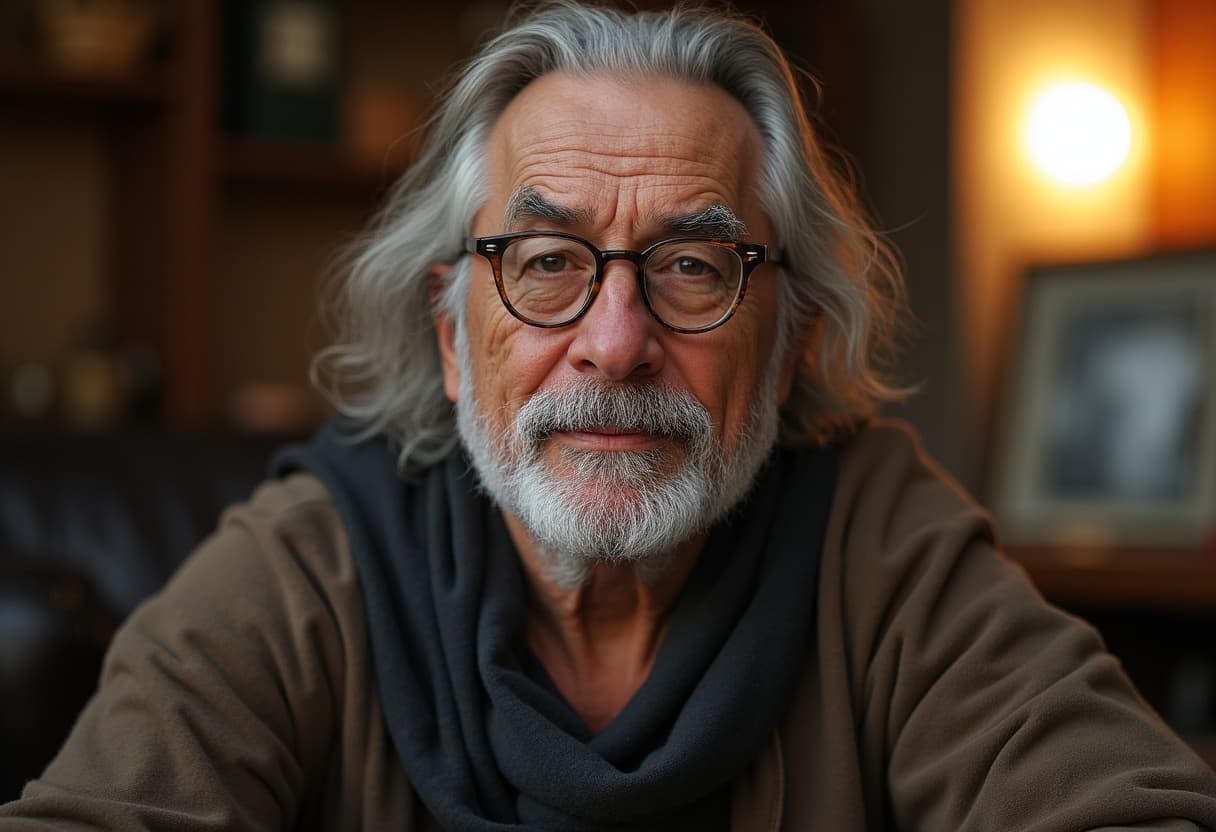
Thomas King, Celebrated Author, Reveals a Lifelong Misunderstanding of His Heritage
In a surprising and deeply personal revelation, Thomas King, the Canadian author renowned for his profound storytelling centered on Indigenous peoples, announced earlier this week that he does not, in fact, have Cherokee ancestry. This disclosure challenges the identity he has embraced throughout his acclaimed literary career.
A Career Rooted in Indigenous Narratives
Thomas King, born in 1943 in the United States and raised in Roseville, California, has been a powerful voice illuminating Indigenous histories and experiences across North America. His works, both fiction and nonfiction, have garnered critical acclaim, celebrated for their nuanced portrayal of Indigenous cultures and the injustices they have faced.
King’s career took a notable turn when he began teaching at the University of Lethbridge in Alberta, which preceded his emergence as a leading author. In 2020, his contributions were officially recognized when he was named a Companion of the Order of Canada—one of the nation’s highest honors. At the time, his work was praised for exposing the difficult truths surrounding Indigenous peoples and reshaping Canadian historical narratives.
The Unveiling of a Complex Identity
For years, King understood himself as being part Cherokee—a belief rooted in family stories told by his mother and later corroborated by relatives. His aunt had similarly affirmed this heritage decades after his father left when King was three years old.
However, the author grew aware of circulating doubts regarding his Indigenous background. In search of clarity, King reached out in October to the Tribal Alliance Against Frauds, an organization dedicated to verifying Indigenous lineage and preventing fraudulent claims.
Genealogical Investigation Reveals No Indigenous Roots
Following a detailed genealogical investigation involving a video conference with experts, including a genealogist and a professor specializing in Indigenous studies, the findings revealed no trace of Cherokee ancestry in King’s paternal line. His family lineage was carefully traced back on both the King and the Hunt sides, with no Indigenous connections discovered.
Reflecting on the emotional impact, King poignantly described himself as feeling “ripped in half” and “a one-legged man in a two-legged story,” underscoring the profound personal reckoning that accompanied this revelation at age 82.
Broader Context: Indigenous Identity and Its Challenges
King’s disclosure arrives amid a broader national and cross-border dialogue about Indigenous identity and the increasingly scrutinized claims of heritage in both Canada and the United States. Recently, several public figures, including prominent politicians and artists, have faced investigations regarding the authenticity of their Indigenous roots, which has sparked difficult conversations about identity, representation, and cultural integrity.
These developments prompt critical questions about the complexities of identity in settler colonial societies where historical records are patchy and personal narratives often fill the gaps. They also highlight the vital work of organizations like the Tribal Alliance Against Frauds, which seek to protect Indigenous communities from exploitation and misrepresentation.
Implications for King’s Legacy and Future Endeavors
King acknowledges the challenging questions that lie ahead, including whether his position in the literary world was influenced by his assumed Indigenous identity and if this inadvertently disadvantaged authentic Indigenous writers. He stops short of offering an apology, emphasizing that mistaken identity is not a crime, and remains committed to supporting Indigenous artists and causes.
In light of these developments, the Edmonton Opera announced it will cancel its planned production of Indians on Vacation, a work based on King’s 2020 novel. Consulting with Indigenous Elders and stakeholders, the opera company expressed concerns about the community impact, reflecting sensitivity toward ongoing conversations about representation and accountability.
Expert Perspectives and Cultural Reflections
- Identity and Belonging: King’s story highlights the profound human need for connection to cultural identity, raising questions about how heritage is understood, passed down, and sometimes mythologized within families.
- Role of Verification: The role of genealogical research and community verification becomes crucial in distinguishing genuine Indigenous lineage from well-meaning or mistaken assumptions.
- Impact on Communities: False claims can undermine Indigenous rights, representation, and resource allocation, making rigorous verification an ethical imperative.
- Literary and Cultural Contributions: Despite the absence of Indigenous ancestry, King’s contributions reflect a lifetime of engagement and advocacy with Indigenous issues, raising nuanced questions about who gets to tell Indigenous stories.
Looking Forward: Navigating Identity and Advocacy
As Thomas King opens a new chapter of self-understanding, his journey resonates with complex themes of identity, truth, and reconciliation. His experience serves as a reminder of the layered realities within the discourse on Indigenous identity—a landscape fraught with historical trauma, cultural pride, and evolving definitions.
Experts suggest that moving forward, communities and cultural institutions must balance compassion with accountability, fostering spaces where stories are told authentically and respectfully. King’s commitment to Indigenous causes even after this revelation underscores the possibility of allyship that transcends bloodlines.
What This Means for Readers and the Public
This news invites readers to critically examine the intersection of personal identity, cultural storytelling, and social recognition. It also encourages a deeper understanding of the nuances in Indigenous identity, often shaped by a blend of personal beliefs, family histories, and communal recognition.
Editor’s Note
Thomas King’s revelation invites reflection on the complexities of identity in Indigenous storytelling and activism. As communities seek to protect their heritage from misappropriation, we must also acknowledge the human stories behind these journeys. This story raises important questions: How do we balance respect for personal narratives with the need for verification? And how do cultural contributions fit within evolving understandings of identity? Readers are encouraged to explore these themes thoughtfully as part of ongoing conversations about identity, representation, and reconciliation.