Impact of Airspace Closure on Pakistan’s Revenue
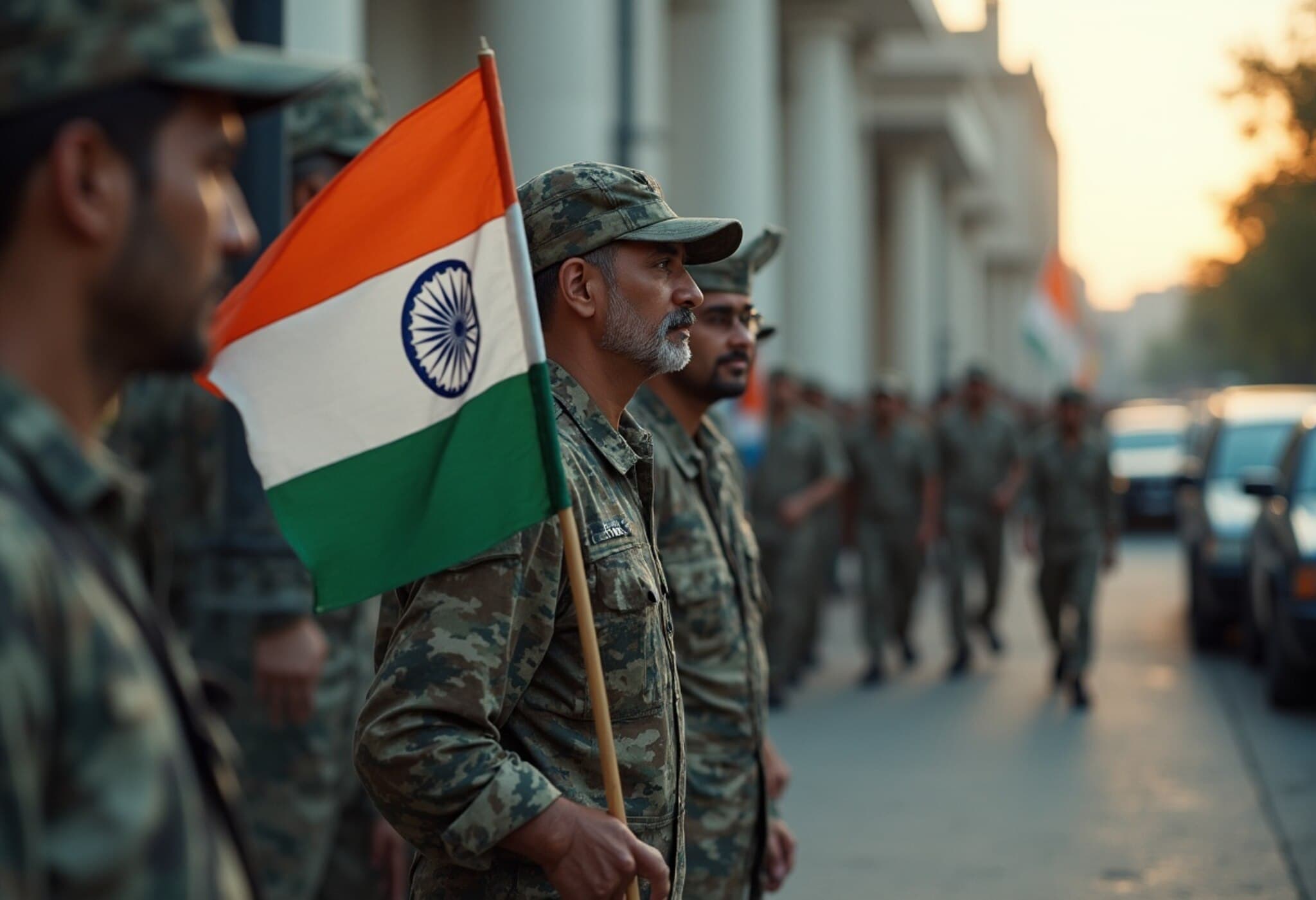
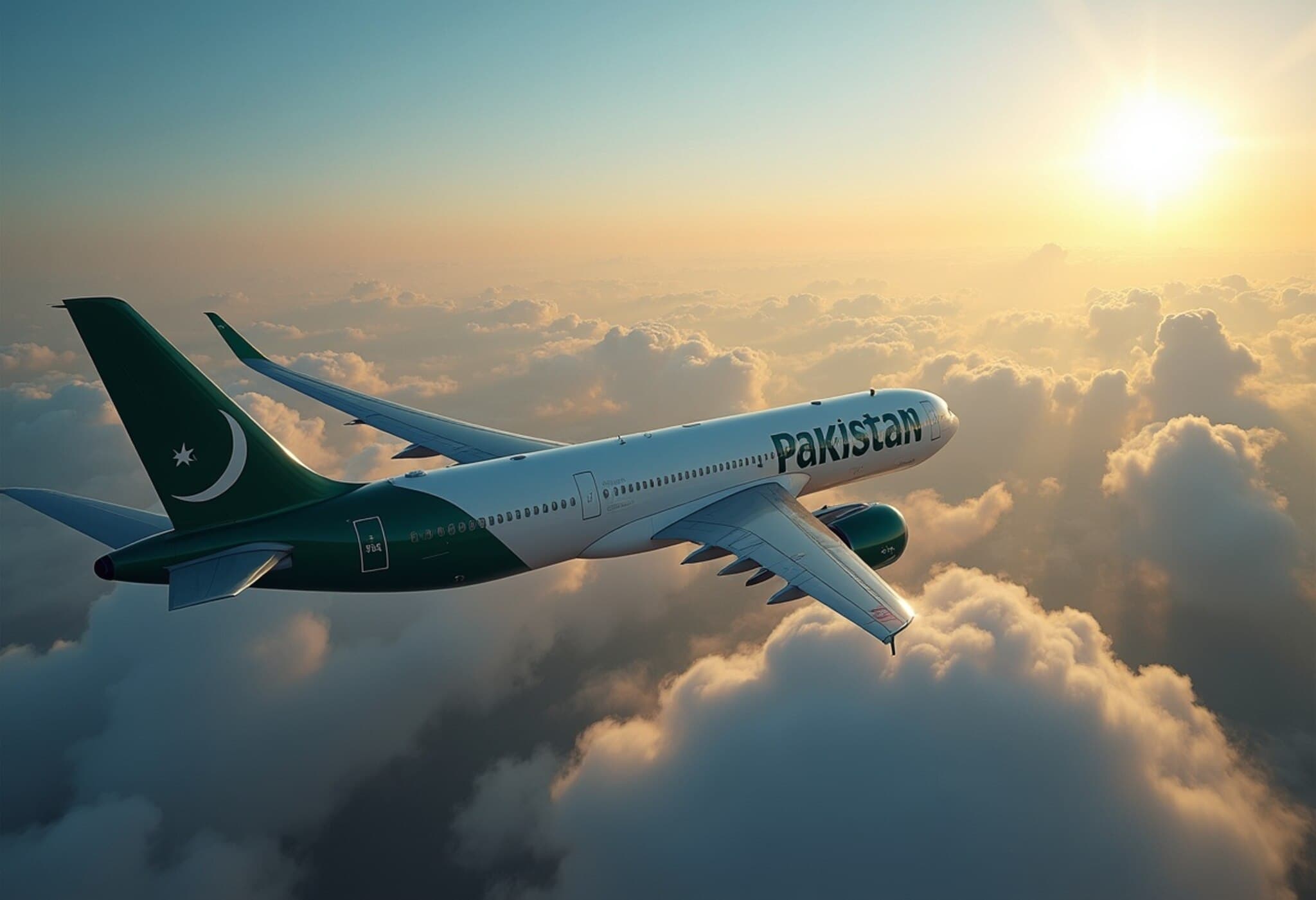
In a significant move that has economic and geopolitical ramifications, Pakistan’s closure of its airspace to Indian-registered aircraft has resulted in an estimated revenue loss of Rs 127 crore over just two months, according to a report by Dawn citing the Pakistani Defence Ministry. This decision, spanning from April 24 to June 30, has notably strained civil aviation dynamics between the neighboring countries amidst escalated diplomatic tensions.
Background: Triggering Factors Behind the Closure
The airspace shutdown came immediately after India suspended the Indus Waters Treaty on April 23, a response following a grievous terrorist attack in Kashmir’s Pahalgam region, allegedly executed by ISI-backed militants. Pakistan’s reaction was swift, revoking overflight permissions for all Indian-registered or Indian-leased aircraft. This action disrupted approximately 100 to 150 flights daily, cutting down transit air traffic by nearly 20%, a considerable blow to Pakistan's aviation income.
Comparisons and Consequences
This is not the first instance of such a financial setback for Pakistan. In 2019, a similar airspace closure cost the country an estimated Rs 228 crore in revenue losses. The repeated use of airspace bans as a political tool highlights the fragility of South Asia’s air connectivity and illustrates the broader pattern of tit-for-tat measures between India and Pakistan.
Military Escalation and 'Operation Sindoor'
The airspace closure should be viewed within the larger context of rising hostilities. Beginning May 7, India launched Operation Sindoor, targeting terror infrastructure in Pakistan and Pakistan-occupied Jammu and Kashmir with precision airstrikes, using advanced fighter jets like the Su-30MKI, Rafale, and Mirage-2000. India employed sophisticated missiles, including BrahMos and Rampage, to execute pinpoint strikes against key military and terror-related sites.
Pakistan responded with drone and missile attacks on Indian airbases and civilian areas, leading to further military escalation. Both countries also issued notices to airmen (NOTAMs) to reserve their respective airspaces for military exercises, reflecting the persistent volatility.
Economic and Diplomatic Insights
- Economic Impact: For Pakistan, overflight fees constitute a substantial revenue source, especially given its strategic position along key air routes between South Asia and the Middle East. The shortfall exacerbates economic challenges amid ongoing diplomatic strain.
- Geostrategic Ramifications: The closure disrupts commercial and passenger aviation, increasing travel times and costs for airlines, while signaling deepening hostility. It also raises questions about airspace governance and conflict mitigation in a region where civilian and military interests often collide.
- Broader Regional Stability: Such moves reflect entrenched distrust and limited dialogue between India and Pakistan. They underscore the urgent need for confidence-building measures to prevent further economic damage and humanitarian impact, especially for civilians relying on air travel.
Underreported Aspects
While the revenue loss is documented, less attention has been paid to the human cost and logistical hurdles these closures impose on ordinary travelers and logistic chains. Additionally, the impacts on third-party nations and airlines forced to reroute flights through longer, costlier corridors remain underexplored, highlighting a gap in international discourse surrounding South Asia’s airspace conflicts.
Looking Ahead: Questions and Considerations
As India and Pakistan continue to navigate a complex relationship marked by military posturing and economic interplay, the following questions loom large:
- Can diplomatic channels be strengthened to restore uninterrupted air connectivity and mitigate economic losses?
- What role can international aviation bodies play in mediating such conflicts and ensuring safe passage?
- How might these tensions influence broader South Asian stability and global supply chains reliant on these air routes?
Editor’s Note
The recent closure of Pakistan’s airspace to Indian aircraft epitomizes how geopolitical tensions can translate directly into economic and civilian hardships. Beyond the immediate loss of Rs 127 crore, the move unearths deeper concerns about regional cooperation, the safety of civilian transport, and the susceptibility of commerce to political rifts. For stakeholders and observers alike, it prompts reflection on the urgent need to decouple critical civil infrastructure from military conflicts, fostering dialogue that prioritizes peace and pragmatic economic interests.