Trump Condemns Media as 'Unfair' in Lead-Up to Putin Summit
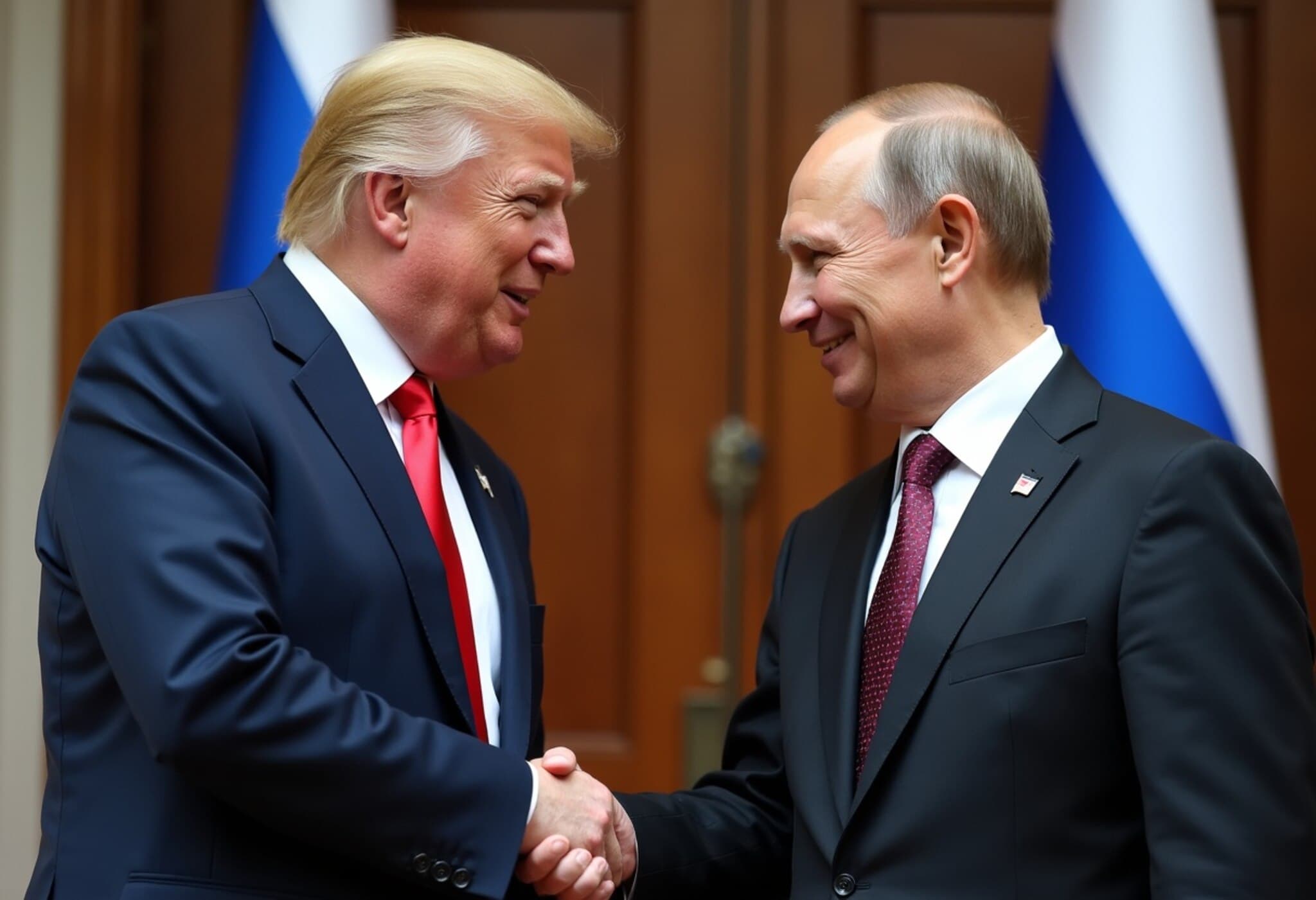
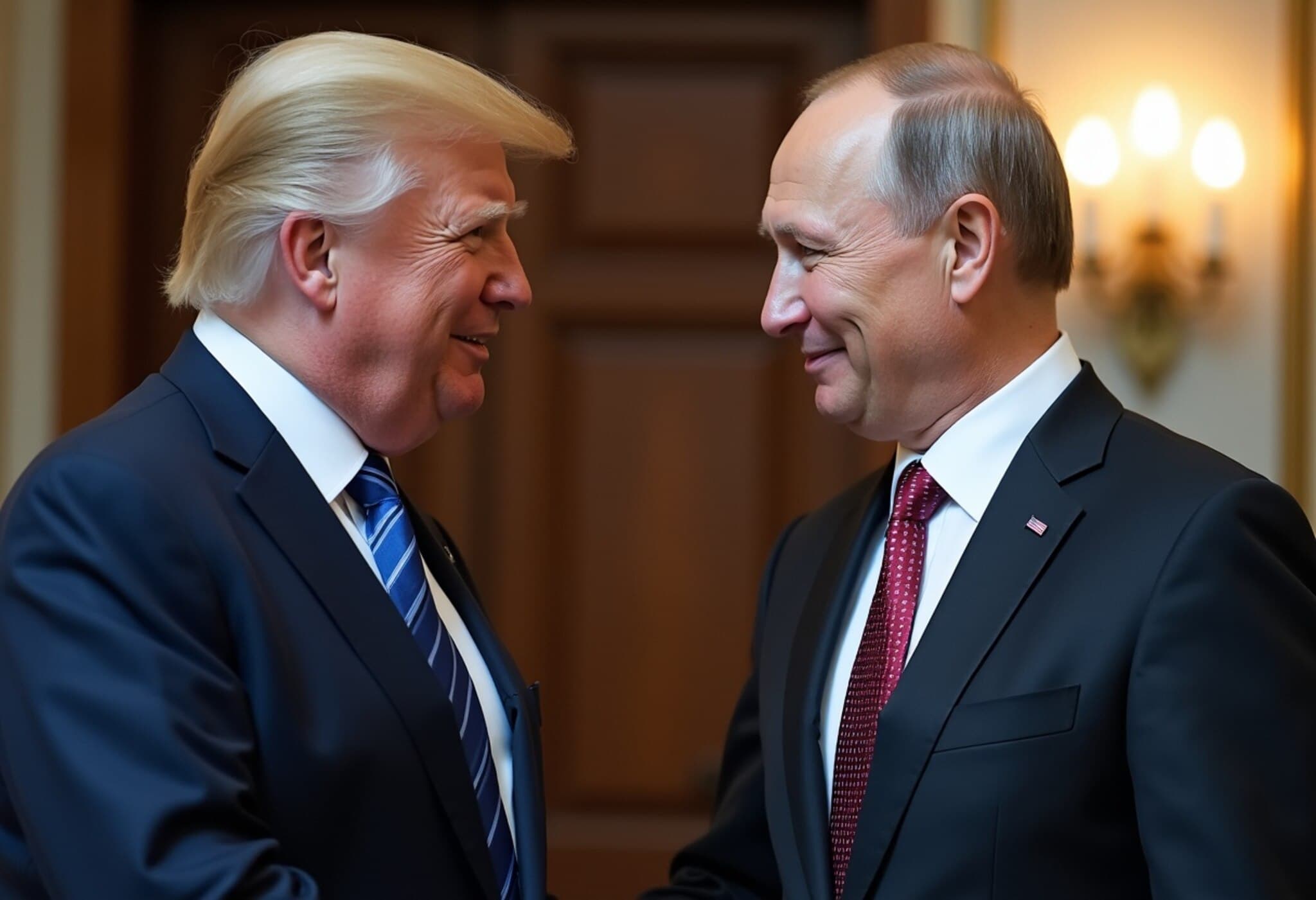
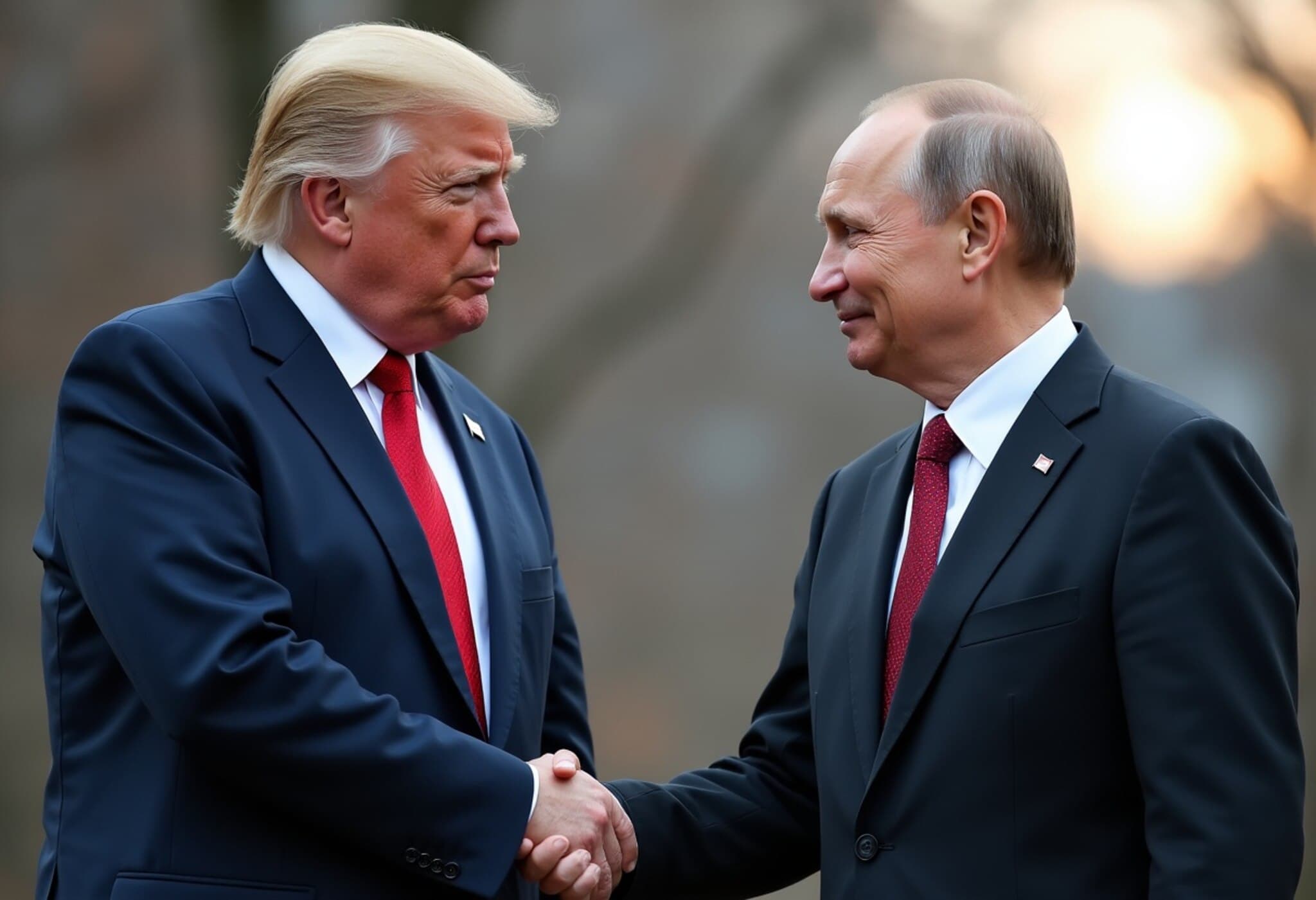
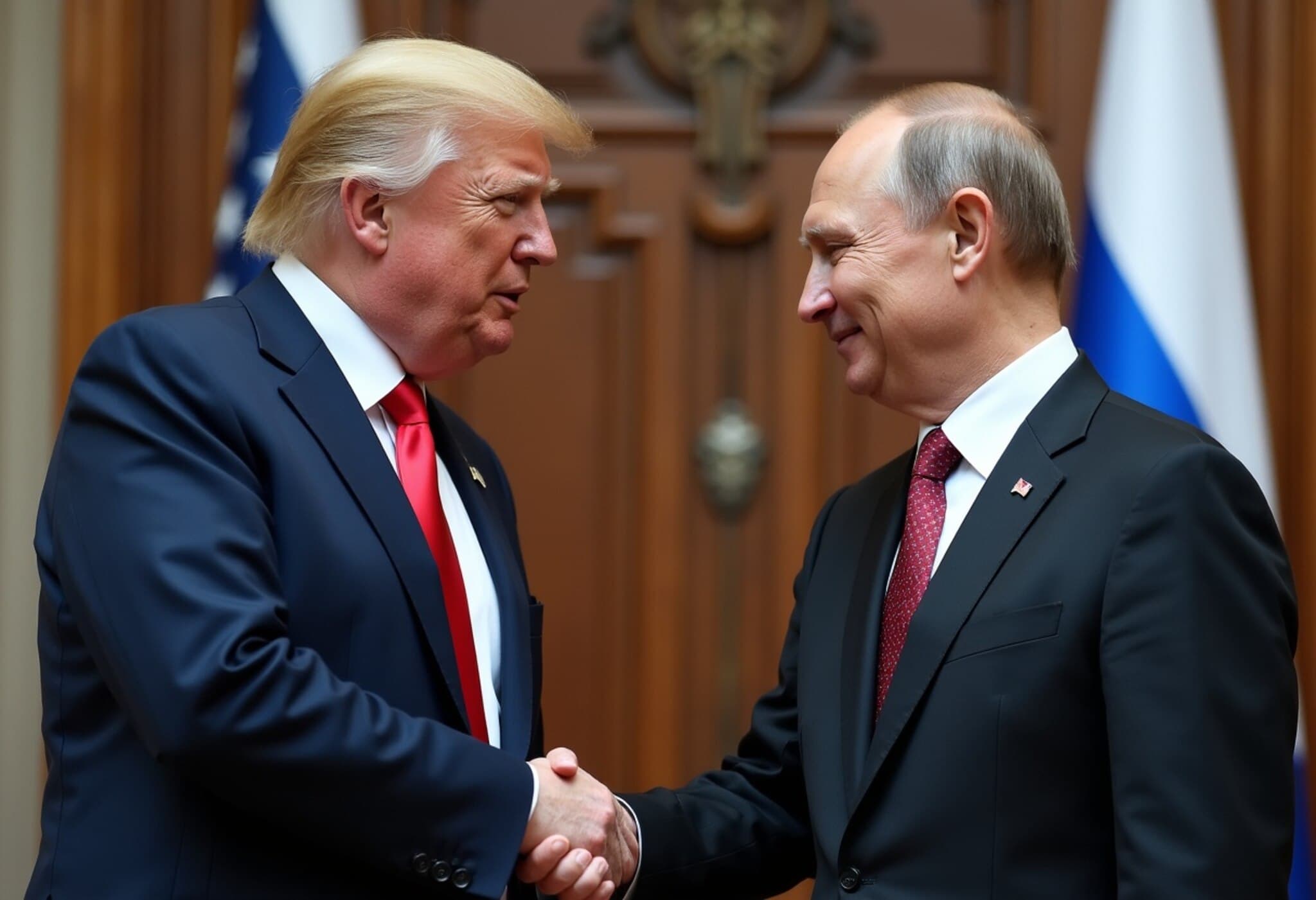
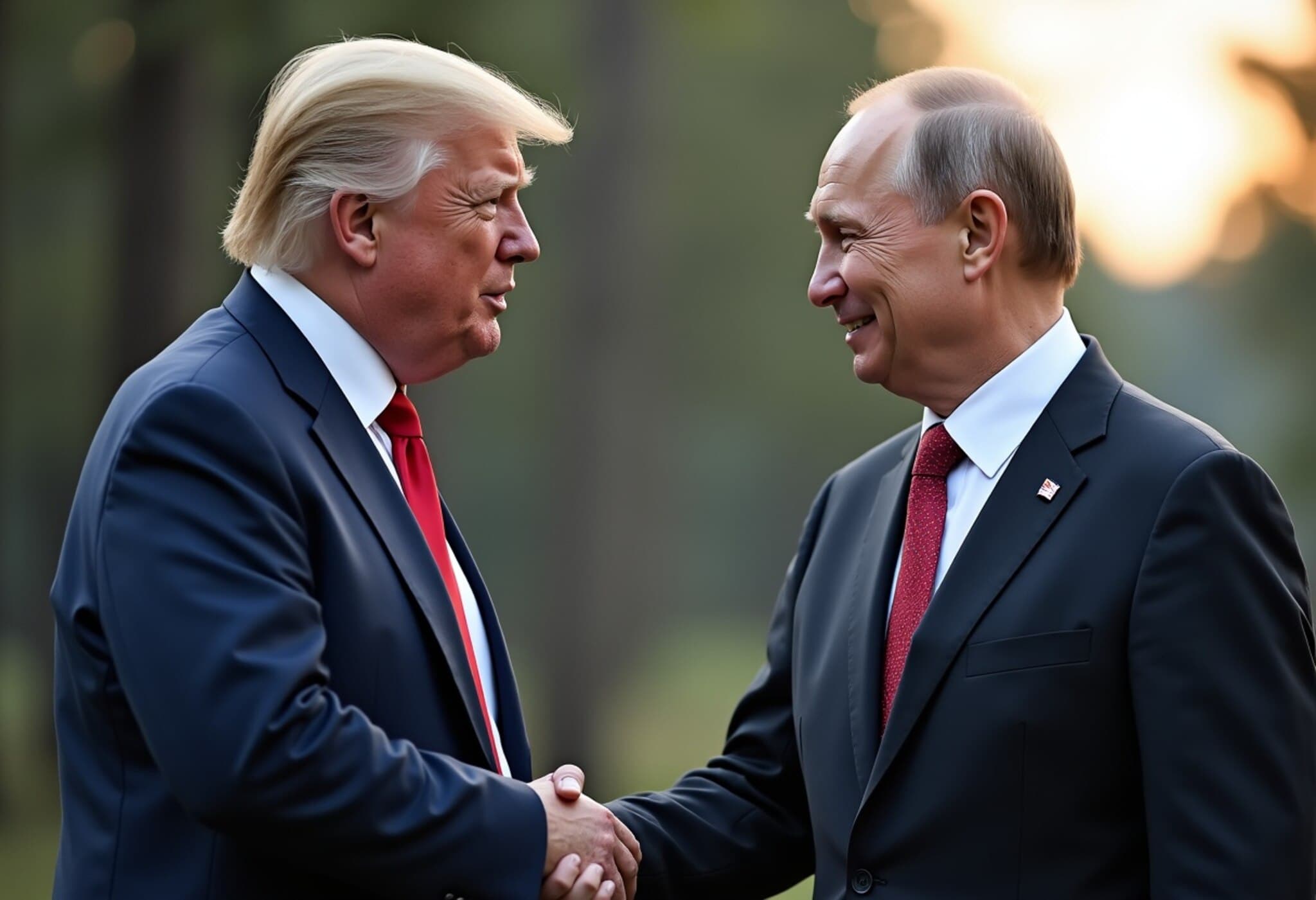
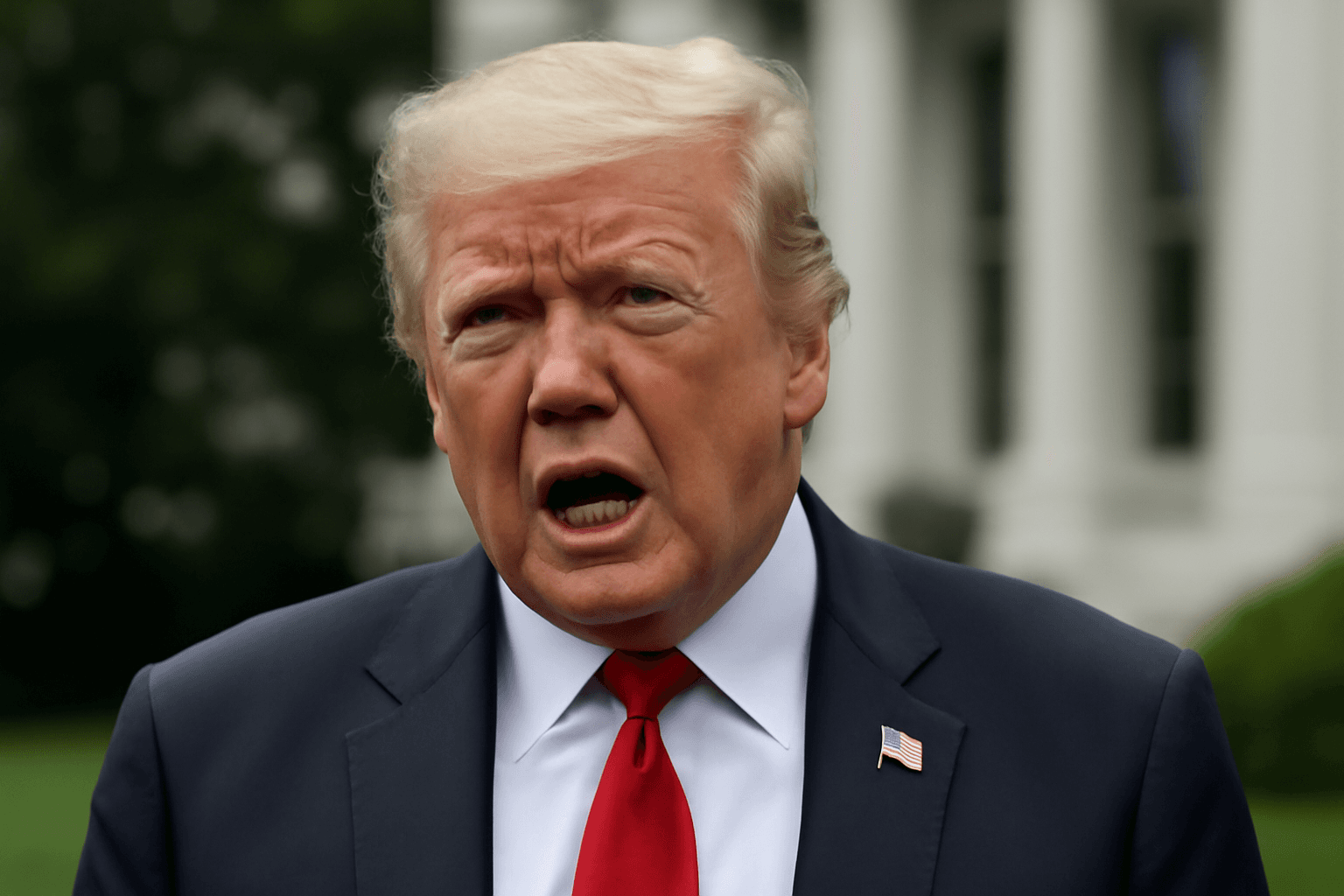
As anticipation builds for his tête-à-tête with Russian President Vladimir Putin, former U.S. President Donald Trump took to his social media platform, Truth Social, on August 13, 2025, to sharply criticize what he called "very unfair" media coverage. Trump alleged that the press had been leaning heavily on disparaging commentary from "fired losers" and "really dumb people," explicitly calling out former National Security Advisor John Bolton for his pessimistic remarks.
Accusations of Media Bias and Misinformation
In his post, Trump expressed frustration with media narratives that portray the summit negatively, even when the meeting is held on American soil. He cited Bolton's assertion that "Putin has already won" the geopolitical chess match as emblematic of this bias. Trump countered sharply, proclaiming, "We are winning on EVERYTHING," and accused the "Fake News" of working "overtime" to distort the facts.
He went further, challenging the media's framing in hypothetical terms, stating, "If I got Moscow and Leningrad free, as part of the deal with Russia, the Fake News would say that I made a bad deal!" This remark, while provocative, reflects his known penchant for framing negotiations as winning or losing scenarios defined in territorial terms.
Context: The Alaska Summit and Its Political Implications
The scheduled meeting on August 15 in Alaska follows a mysterious visit by one of Trump's envoys to Moscow, signaling a thaw in direct communications between the two powers amid ongoing conflict in Ukraine. Interestingly, Ukrainian President Volodymyr Zelenskyy, an active proponent of dialogue to resolve the war, was notably excluded from this summit, raising questions about the diplomatic messaging.
During recent weeks, Trump threatened sanctions and secondary tariffs against Russia should progress toward a ceasefire remain stalled past August 8, but no such measures materialized. Instead, the focus shifted to this high-profile summit where Trump has floated contentious ideas including a possible "land swap" involving Ukrainian territories — a notion firmly rejected by Kyiv and European allies as unacceptable.
Expert Insights: A Delicate Balancing Act
From a geopolitical perspective, the Alaska meeting serves as an inflection point. Hosting Putin on American soil is politically charged and symbolizes a unique opportunity for direct dialogue, yet also risks legitimizing Moscow's position amidst international condemnation of its actions in Ukraine.
Legal experts and policy analysts warn that any talks implying territorial concessions violate international law principles protecting sovereignty and territorial integrity. Such suggestions could undermine the West's united stance and complicate ongoing diplomatic efforts.
Moreover, media scrutiny of Trump's comments highlights broader themes of trust, misinformation, and the polarization of public discourse — issues that continue to challenge democratic societies globally.
What Lies Ahead?
- The Alaska summit’s outcomes remain uncertain, but it is officially described by the U.S. State Department as a "listening exercise," suggesting no immediate agreements are expected.
- The exclusion of Zelenskyy feeds into concerns about sidelining Ukraine in crucial peace negotiations.
- Public narratives around the meeting will likely remain polarized, with different stakeholders reading outcomes through distinct political lenses.
Editor's Note
Trump's critique of media coverage ahead of the Alaska talks underscores the ongoing struggle over narrative control in a highly polarized political environment. While direct dialogue with Russia is rare and potentially productive, the absence of Ukrainian representation raises critical ethical and strategic questions. As this story unfolds, readers should consider how media framing shapes perceptions of diplomacy and conflict resolution. Ultimately, the Alaska summit is a test not just for geopolitical strategy, but for the integrity of international order and the power of truthful reporting.